Before You Reach for Zinc or Elderberry: A Pharmacist’s Evidence Checklist for Cold Season
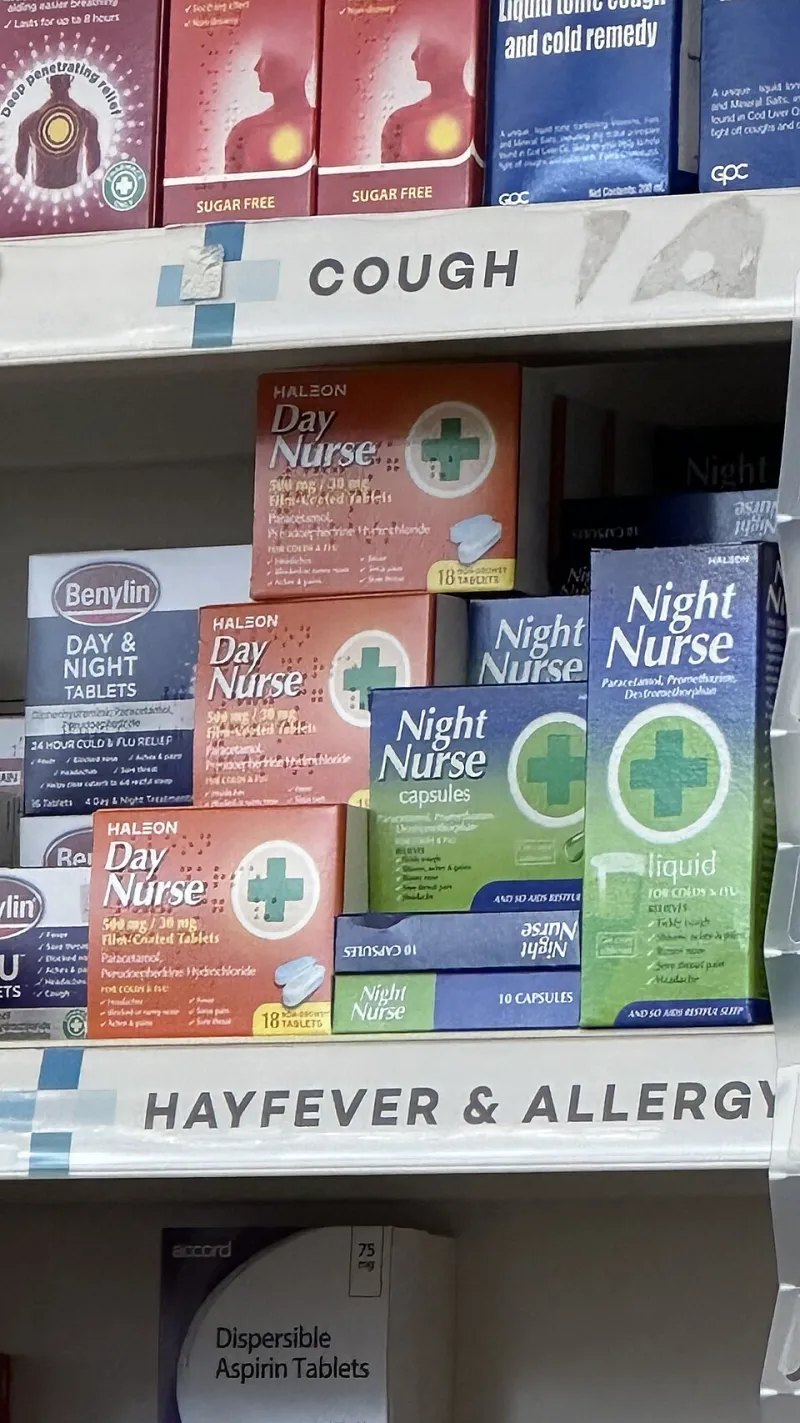
Photo: OathOn, CC BY-SA 4.0, via Wikimedia Commons
Every year, as respiratory season settles in across the United States, pharmacy shelves fill with promises aimed at the common cold. Zinc lozenges, vitamin C powders, elderberry gummies, echinacea capsules, and combination immune formulas compete for attention. The packaging is confident. The evidence is usually more modest.
That does not mean every product is useless. It means the cold-and-flu aisle deserves the same scrutiny as the prescription counter: what is the claim, what is the dose, what is the formulation, and what could go wrong? For the 2026 cold-and-flu season, a useful approach is to evaluate each supplement less as a lifestyle accessory and more as a product with a plausible benefit, a plausible risk, and a real cost.
Start with the symptom, not the shelf
A common mistake is to shop by product category instead of by purpose. Are you trying to prevent a cold, shorten one that has already started, or relieve a specific symptom such as cough or sore throat? Those are different questions, and they carry different levels of evidence.
Most supplements in this aisle are not FDA-approved drugs for treating or preventing the common cold. They are dietary supplements, regulated under a different framework. Labels may describe how an ingredient affects normal body function, but that is not the same as proof that it shortens illness or prevents infection. A neutral reading of the research begins with that distinction.
Zinc: a modest signal, but formulation matters
Zinc is the supplement with perhaps the most discussed evidence for cold duration. Some trials of zinc lozenges started within the first day or two of symptoms have shown a modest shortening of illness, often on the order of a day or so. But the literature is not uniform. Results vary by zinc salt, dose, lozenge formulation, and how quickly the product is started.
Practical safety points matter here. Zinc nasal gels and sprays have been associated with loss of smell, and the FDA has warned against using certain intranasal zinc products. Lozenges can cause nausea, metallic taste, and stomach upset, especially on an empty stomach. Zinc can also reduce absorption of certain antibiotics, including tetracyclines and fluoroquinolones, and can interact with penicillamine. If you take prescription medication, separate the timing or ask a pharmacist before adding zinc.
A reasonable conclusion: zinc lozenges may be worth a discussion for adults who start them early in a cold, but they are not a guaranteed shortcut, and the nasal route should be avoided.
Vitamin C: ordinary supplementation is unlikely to prevent colds
Vitamin C has a long reputation as a cold fighter, but the evidence is narrower than the reputation. For most adults, regular vitamin C supplementation has not been shown to prevent colds. Some studies suggest a small reduction in duration, but the effect is generally modest and inconsistent across populations. Taking a large dose at the first sneeze is not well supported by strong evidence.
High doses can cause diarrhea, abdominal cramping, and nausea. People with a history of kidney stones should be especially cautious about megadoses. The tolerable upper intake level for adults is 2,000 milligrams per day, but that is a ceiling, not a target. A typical multivitamin already contains vitamin C; stacking additional powders and chewables can push intake higher than intended.
Elderberry: promising, but thin and variable
Elderberry products are among the most heavily marketed cold-season supplements. Some small trials have reported shorter cold or flu-like illness duration, but the studies are limited by size, product differences, and inconsistent results. Elderberry is not a substitute for influenza antiviral treatment when that is clinically indicated.
Product formulation is a particular concern. Gummies and syrups may contain substantial added sugar. Raw or unripe elderberry can cause gastrointestinal illness, so consumers should use commercially prepared products. Elderberry may also be a concern for people taking immunosuppressive medications, because immune-stimulating claims are not well characterized in that population. As with any supplement, the absence of a clear interaction warning does not prove safety.
Echinacea: inconsistent evidence and allergy concerns
Echinacea has been studied for cold prevention and treatment, but the results are mixed. Different species, plant parts, and extraction methods make comparisons difficult. Some trials suggest a small benefit; others do not. For a consumer, that means the product on the shelf may not resemble the product in the study.
Echinacea belongs to the daisy family, so people with allergies to ragweed, chrysanthemums, marigolds, or related plants should be cautious. Rare allergic reactions have been reported. Anyone with an autoimmune condition or who takes immunosuppressive therapy should consult a clinician before using immune-oriented botanicals.
Other common entries in the aisle
Vitamin D is important for overall health, and deficiency should be corrected, but it is not an acute cold treatment. Honey can soothe a cough for adults and children over age one, but it must never be given to infants under twelve months because of botulism risk. Saline nasal rinses can help with congestion, but users should follow safe-water instructions, using distilled, sterile, or properly boiled and cooled water.
Combination immune products are especially difficult to evaluate. They often contain several ingredients at doses that are hard to compare with study protocols. More ingredients do not mean more benefit; they mean more opportunities for interactions, stomach upset, or unnecessary cost.
A practical purchase checklist
Before buying a cold-season supplement, ask six questions:
- What specific outcome is this product supposed to affect: prevention, duration, or symptom relief?
- What is the dose and formulation, and does it resemble the product used in credible research?
- Is there a safer, better-supported alternative for this symptom?
- Could it interact with my prescriptions, including antibiotics, blood thinners, immunosuppressants, or thyroid medicine?
- How long would I use it, and what side effects should make me stop?
- Is the cost justified by a modest and uncertain benefit?
A useful rule is to buy single-ingredient products when possible, verify third-party testing when available, and avoid stacking multiple products with overlapping ingredients. Pharmacists can review the full medication list, including supplements, and flag timing or interaction concerns.
When the aisle is not the answer
Cold and flu symptoms can overlap with more serious illness. Seek medical care for trouble breathing, chest pain, dehydration, confusion, a fever that is high or persistent, symptoms that worsen after initial improvement, or illness lasting more than about ten days. Infants, older adults, pregnant people, and immunocompromised patients should have a lower threshold for calling a clinician.
The cold-and-flu aisle is not a maze without exits. It is a shelf of products with different levels of evidence and different safety profiles. Zinc lozenges have a modest signal; vitamin C is overrated for prevention; elderberry and echinacea are promising but inconsistent; and basic supportive care still matters. A careful consumer does not need to avoid the aisle entirely, but should enter it with a checklist rather than a hope.