The Chewable Checkup: Auditing Gummy Supplement Labels in 2026
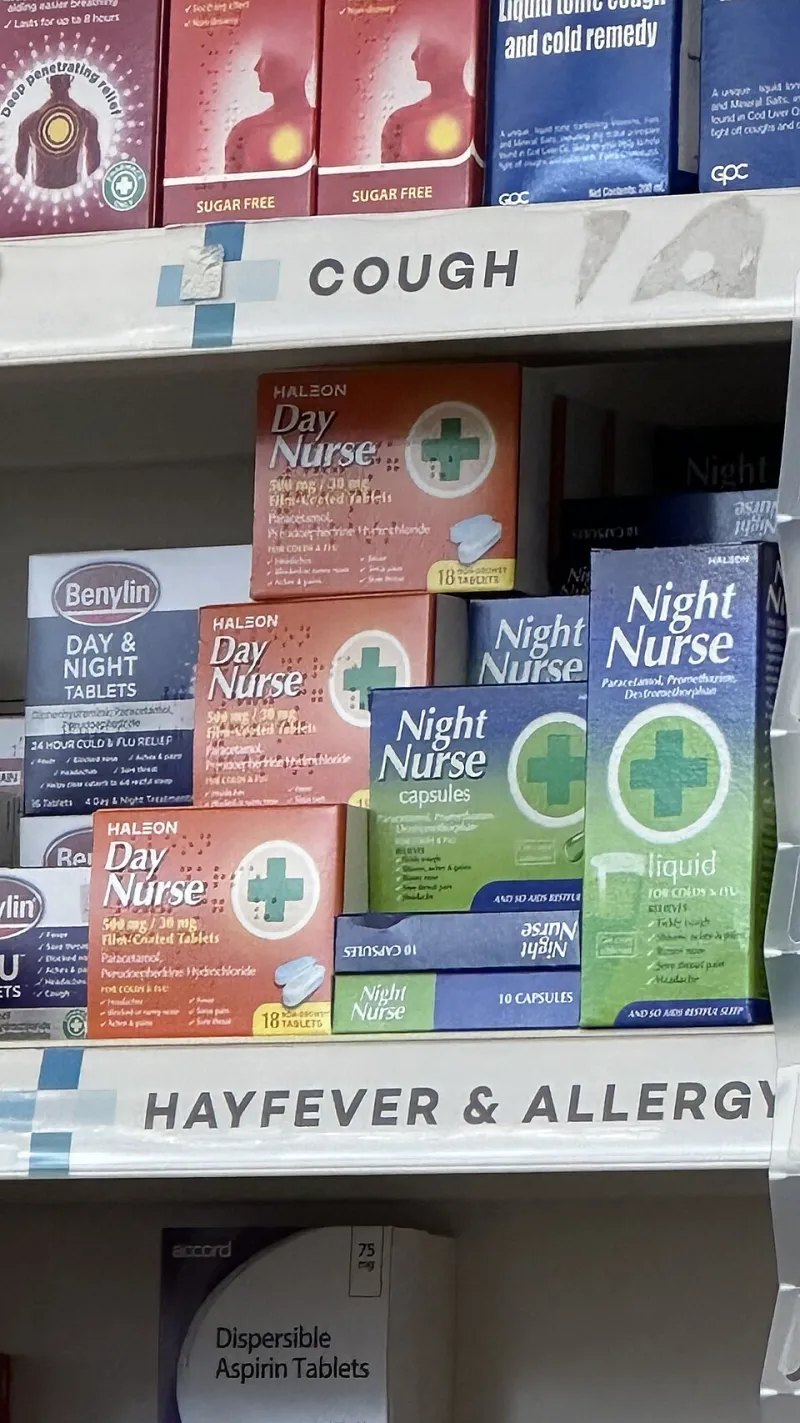
Photo: pharmacist reviewing gummy vitamin supplement labels on pharmacy counter, via www.docomo.ne.jp
Begin With the Serving Size, Not the Gummy
A gummy supplement label is a small document with large consequences. The first number to find is not the vitamin C dose or the word natural. It is the serving size. Many gummies list a serving as two pieces, while the bottle may hold 60 or 120 pieces. That means a bottle marketed as a two-month supply may actually provide 30 or 60 servings. Consumers who eat one gummy instead of two may take half the labeled dose; consumers who eat four may take double. Neither is automatically dangerous, but both change the math.
For a US shopper comparing products in 2026, cost per serving is more useful than cost per bottle. Check the Supplement Facts panel for the amount per serving and the percent Daily Value. If the label says two gummies provide 100 percent of a nutrient, one gummy does not. This distinction matters most for children, older adults, pregnant people, and anyone taking prescription medicines. Gummy vitamins are not candy, and they should not be treated as an unlimited snack.
Sugar, Sugar Alcohols, and the Missing Spoon
Gummies need a delivery base. That base often includes sugar, glucose syrup, tapioca syrup, or sugar alcohols such as sorbitol, maltitol, and xylitol. The label may list added sugars in grams per serving. A product with two grams of added sugar per two-gummy serving is not a major sugar source by itself, but the total matters when someone takes several servings or combines products. Sugar-free does not mean side-effect-free. Sugar alcohols can draw water into the intestine and cause bloating, gas, or loose stools, especially when a serving is repeated.
Xylitol deserves special attention in households with dogs. Even small amounts can be toxic to dogs, and gummy bottles left on counters are a common accidental exposure. For people with diabetes, carbohydrate counting should include gummy supplements. For people with dental concerns, sticky chews may remain on teeth longer than a swallowed tablet. Read the Other Ingredients list for allergens, colors, and flavors, and remember that supplements are not required to carry the same nutrition facts format as conventional foods.
Nutrient Forms: Labels Speak Different Chemical Languages
Two gummies can claim the same nutrient and still differ in form. Folic acid and methylfolate are not identical on a label. Vitamin D2 and D3 are both vitamin D, but they are not the same molecule. Magnesium oxide, magnesium citrate, and magnesium glycinate have different absorption and tolerability profiles. Cyanocobalamin and methylcobalamin are both B12, but a shopper should not assume they are interchangeable for every person or every clinical situation.
Form matters, but dose and evidence matter more. A fancy form in a low dose may be less useful than a well-studied form in an adequate dose. Look for the amount per serving, the percent Daily Value, and any stated upper limit. Avoid combining a multivitamin gummy with separate single-nutrient gummies without checking for overlap. Fat-soluble vitamins such as A, D, E, and K can accumulate, and excessive vitamin A or vitamin D intake is not a theoretical concern. Vitamin K can also interact with warfarin, so consistency and pharmacist review are essential.
Third-Party Seals: Useful, but Not All Equal
A seal on a gummy bottle can signal that an outside organization reviewed the product. Common US examples include USP Verified, NSF Certified, and testing programs run by ConsumerLab. These programs are not identical. Some verify potency and purity; some review manufacturing practices; some test for heavy metals or label accuracy. A seal is a useful starting point, not a guarantee of clinical benefit. Shoppers should confirm the seal on the certifier's own website and check whether the specific product and lot are covered.
Gummy matrices are challenging. Heat, moisture, and the gummy base can affect nutrient stability over time. A tablet may hold a stable dose for years, while a gummy may be more sensitive to storage. That is why expiration dates, lot numbers, and storage instructions deserve a second look. A product that passed testing at manufacture may not perform the same after months in a warm bathroom cabinet.
A Side-by-Side Label Audit
Take two gummy bottles from the same shelf and compare them in this order: serving size; number of servings per container; added sugars and sugar alcohols per serving; nutrient form and amount; percent Daily Value; third-party seal; expiration date; storage instructions; and allergen statements. A lower-priced bottle with 30 servings may cost more per day than a higher-priced bottle with 60 servings. A bottle with two grams of sugar per serving may be reasonable for one daily serving but less so for a person taking four. A product with a seal but no stated form may still be less transparent than one without a seal but with clear ingredient details.
This audit does not require laboratory equipment. It requires reading the panel before the front label. Marketing words such as premium, natural, and doctor-formulated are not standardized claims. The Supplement Facts panel and the Other Ingredients list are where the useful details live.
Storage: The Bathroom Cabinet Is Not a Candy Jar
Gummies are hygroscopic, meaning they attract moisture. Heat and humidity can make them sticky, clump, or degrade. Store them in a cool, dry place in the original container with the lid tight. Do not move them into a bathroom cabinet, a car, or a sunny windowsill. Refrigeration is appropriate only when the label says so; otherwise, condensation can introduce moisture. Keep all gummies out of reach of children and pets. Child-resistant packaging is not universal, and gummies can resemble candy. Accidental overconsumption is a medication safety issue, not a discipline issue.
When a Tablet or Capsule Is the Better Choice
Gummies are convenient, but they are not ideal for every nutrient. High-dose iron, calcium, magnesium, and some therapeutic vitamins may require tablets or capsules to fit the dose into a reasonable serving. People who need precise titration, such as patients on warfarin or thyroid medication, may benefit from a product with a consistent, easily split or measured dose. Some people with swallowing difficulties prefer gummies, but they should still review sugar, texture, and choking risk. A pharmacist can help match the dosage form to the person, not to the marketing.
The Pharmacist Checklist for 2026
Check the serving size and servings per container. Count added sugars and sugar alcohols. Identify the nutrient form and dose. Look up the third-party seal. Review interactions with prescriptions, especially anticoagulants, thyroid medicines, and antibiotics. Avoid duplicating nutrients across products. Store gummies cool and dry, away from children and pets. When the dose is high, the condition is serious, or the label is unclear, ask a pharmacist before buying. Gummy vitamins can be part of a sensible routine, but only when the label is read as carefully as the candy aisle is browsed.